

After a bad stomach bug, the skin around the anus can feel raw, tender, and stinging, sometimes more uncomfortable than the illness itself. This is one of the most common aftereffects of frequent diarrhea, and it has clear physical causes rather than anything you did wrong. For people who deal with recurring diarrhea from conditions like irritable bowel syndrome (IBS) or inflammatory bowel disease (IBD), which includes Crohn's disease and ulcerative colitis, sore skin after diarrhea can be a repeat problem worth understanding.
In this guide, you will learn why the skin gets raw, what helps it settle, and how to be gentler on the area while it heals.
Why You Get Sore Skin After Diarrhea

The skin around the anus is thin and sensitive, and a bout of diarrhea puts it through two stresses at once. First, diarrheal stool carries more digestive enzymes and acids than a normal bowel movement, because those substances usually finish their work higher up rather than reaching the skin. Repeated contact can break down the skin's natural barrier and leave a burning, raw feeling. Second, frequent trips to the bathroom mean far more wiping than usual, and repeated friction on already-irritated skin adds mechanical damage on top of the chemical irritation.
Left unaddressed, that combination can turn mild redness into cracked, peeling, or bleeding skin, and broken skin is more prone to further irritation. People with a condition that causes regular diarrhea tend to know this cycle well, since flares can bring days of frequent, urgent bowel movements. The area around the anus is delicate at the best of times, and repeated wiping during a rough stretch is hard on it. A few things make soreness more likely to escalate: wiping too hard, using scented or alcohol-based wipes, staying damp for long stretches, and scratching an itchy area. Recognising these triggers is the first step toward easing the discomfort.
This post is intended for general informational purposes only and does not constitute medical advice. If you are experiencing persistent or worsening symptoms, please consult a qualified healthcare provider.
What Actually Soothes Sore Skin After Diarrhea
The goal while skin heals is to protect the barrier, reduce further contact with irritants, and cut down on friction. Gentle cleaning with lukewarm water is widely recommended over vigorous wiping, and patting the area dry rather than rubbing helps avoid adding damage. A warm, shallow sitz bath for several minutes can ease soreness, and a plain barrier ointment can shield the skin from further contact. Products with fragrance or alcohol are best avoided, since they can sting and worsen irritation on broken skin.
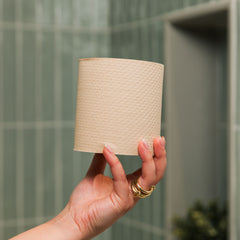
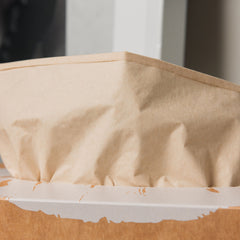
For people managing an underlying condition, the wiping and hygiene side is only part of the picture, and controlling the diarrhea itself matters too. the National Institute of Diabetes and Digestive and Kidney Diseases' guidance on diarrhea and when it needs medical attention is a useful reference for anyone dealing with frequent or persistent bouts. When it comes to the wiping itself, the paper you reach for makes a real difference to comfort. Harsh, chlorine-bleached toilet paper has been associated with skin irritation in sensitive individuals, and added fragrance is a common irritant, so a gentler roll is worth considering during a flare. For frequent wiping on tender skin, a soft, unbleached roll is worth considering, and our plant paper-based toilet paper is made from organic bamboo and formulated without chlorine bleaching, dyes, or fragrance, which makes it a gentler choice when the area is already sore.
When to Check in With a Healthcare Provider

Most soreness from a passing stomach bug settles within a few days once the diarrhea stops and the skin is protected. Some signs are worth taking more seriously: bleeding, pain that keeps getting worse, signs of infection, or diarrhea that lasts more than a few days. For anyone with a diagnosed digestive condition, changes in symptoms are always worth raising with the clinician who manages your care, since the skin around the anus can be affected by the underlying condition itself rather than by wiping alone. Being gentle with the skin helps with comfort, but it is not a substitute for treating the cause.
Better for You. Better for the Planet.
Organic bamboo toilet paper designed to be gentle on your skin and kind to the earth.
- ✔ No Bleach, Toxins, or PFAS
- ✔ Naturally Hypoallergenic & Fragrance-Free
- ✔ Sustainable Everyday Comfort

A Gentler Roll for Tender Days
If frequent wiping has left your skin raw, we make our plant paper-based toilet paper from organic bamboo and formulate it without chlorine bleaching, dyes, or fragrance, which makes it a gentler choice while the area is sore. It is soft enough for repeated use and arrives in plastic-free packaging, suited to both sensitive-skin sufferers and anyone recovering from a rough stretch. It is not a treatment, simply a gentler option for the wiping itself. You can see the rest of our unbleached, plant-based hygiene range.


